Your facility requires regular sanitation protocols tailored to specific risks, daily throughput, food allergens, and regulatory visits, including verifiable documentation validating HACCP requirements, inspection compliance, and health department standards. The information following give guidance on sanitation program requirements.
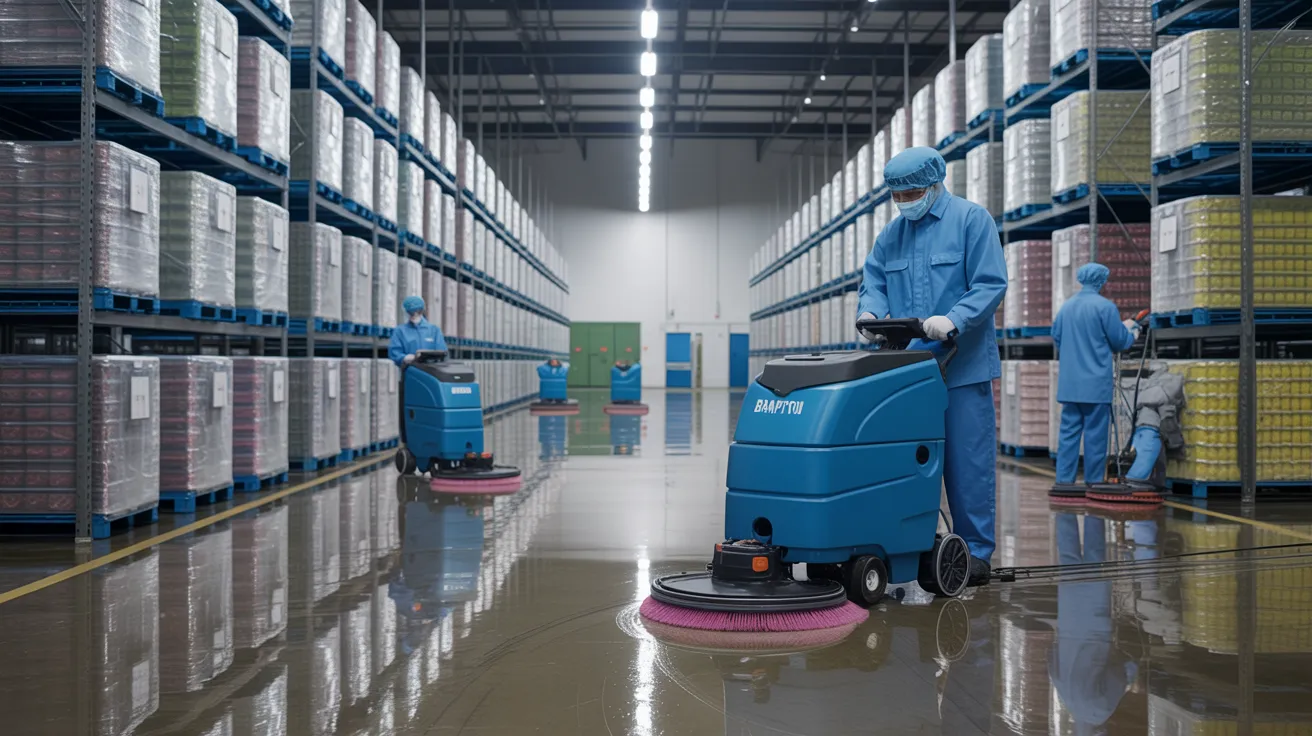
Important Highlights
- Brampton sanitation experts maintain restaurants, grocery departments, commissaries, warehouses, bakeries, schools, mobile vendors, and allergen-sensitive operations.
- They disinfect high-touch surfaces, food-contact equipment, kitchens, floors, drains, restrooms, and storage areas using zone-based workflows to prevent cross-contamination.
- Qualified vendors validate proper chemical concentration, compatibility, and exposure duration, then document finishing with swabs, assessments, and correction logs.
- Optimal maintenance timelines account for hazard, production volume, changeovers, releases, and guidelines when designating routine, periodic, and annual activities by area.
- Emphasize providers demonstrating hazard analysis knowledge, public-health competency, safety training instruction, insurance, testimonials, colour-coded implements, and compliance-ready cleaning documentation.
Which Brampton Venues Need Food Safety Cleaning?
You must comply with food safety cleaning if your facility is subject to health department oversight, food standards, or HACCP requirements. This covers food venues, break rooms, food centers, supermarket areas, butcheries, seafood displays, shops, and commercial food prep.
Documented food safety measures proves essential in supply warehouses, processing plants, freezer locations, commercial bakeries, school food programs, reception facilities, and food delivery centers. Temporary mobile establishments matter as well, such as mobile kitchens, market vendors, and seasonal booths. Your establishment needs documented cleaning protocols when your staff process ingredients, portion ready-to-eat items, reheat products, or store allergens. In Brampton, hygiene remains not elective; it comprises statutory, functional, and public health adherence.
Which Areas Do Brampton Cleaning Experts Cover?
You need skilled cleaning experts who sanitize frequently touched areas, kitchen spaces, flooring, and bathrooms to maintain food safety and public health requirements. These areas are targeted due to their high cross-contamination potential, slip and fall dangers, and health code violations.
By knowing exactly what gets cleaned, you are able to confirm your facility's cleaning procedures meet compliance standards.
Key High-Touch Surface Disinfection
structure sanitization timing based on foot traffic, environmental hazards, and business activities.
Since confirming disinfectant properties, solution concentration, and dwell time, consult manufacturer instructions and food safety requirements to ensure desired results. Staff can employ swab testing to confirm sterilization efficacy
Cooking Zones, Walking Surfaces, and Restroom Environments
Expect Brampton cleaning experts to focus on kitchens, floors, and restrooms because each area carries unique foodborne illness prevention, accident prevention, and sanitation risks. In industrial kitchens, you need grease removal from cooking stations, appliance surfaces, drain systems, preparation areas, and backsplashes to reduce bacterial growth and pest activity.
Floor care that is recorded should equally be anticipated. Technicians clean and remove buildup from tile grout, ceramic surfaces, and vinyl floors, then apply appropriate drying controls so you can reduce slip incidents and maintain code-compliant conditions. They also handle entry points where dampness and dirt enter the building.
For restroom sanitation, cleaners sanitize touchpoints, fixtures, partitions, dispensers, and waste containers, then refill items and eliminate smells. They also service restaurant moprooms, where chemical storage, sink hygiene, and drainage conditions can affect sanitation compliance and staff safety daily.
The Importance of Food Safety Cleaning in Brampton
To comply with health code requirements and pass inspections, Brampton establishments must maintain food-safe cleaning standards. You also reduce cross-contamination by cleaning and sanitizing food-contact surfaces, equipment, and high-touch areas correctly. Most importantly, you help protect community wellness by reducing the chance of food poisoning in your establishment.
Regulatory Code Requirements
Food establishments in Brampton face mandatory safety protocols, making food safety cleaning crucial to satisfying health code requirements, protecting patrons, and sidestepping enforcement action. You must maintain sanitary food-contact surfaces, documented cleaning schedules, proper chemical use, and documented employee protocols that comply with municipal and provincial inspection expectations.
During inspections find guide of your operation, auditors analyze if your hygiene protocols ensures safe storage, machinery hygiene, garbage disposal, and restroom sanitation.
Cross-Contamination Prevention
Adhering to regulatory guidelines requires your expertise in stopping cross-contamination throughout routine preparation and sanitation work. You need to isolate uncooked items from finished products, clean prep surfaces between tasks, and store cleaning supplies separately from food. Structured procedures reduce transfer risks and ensure consistent compliance during inspections.
Implementing allergen segregation helps keep priority allergens from contacting shared surfaces, containers, or equipment. Deploy dedicated cutting boards, color-coded tools, and strict utensil labeling so staff don't mix items during preparation or service. Enforce hand hygiene following fresh proteins, aquatic items, egg products, or allergen materials. Refresh cleaning cloths often, and verify sanitizer strength with test strips. When your team learns these guidelines every shift, you establish a more hygienic, safer workplace that satisfies Brampton's food safety needs regularly.
Public Health Protection
When sanitation protocols fails, you don't just risk a failed inspection—you increase the chance of foodborne illness impacting customers, staff, and the wider Brampton community. You also weaken your role in safeguarding community wellness, especially in high-traffic food premises where contamination can spread quickly through surfaces, equipment, and touchpoints.
You depend on sanitation protocols that remove soils, effectively sanitize, and verify results. This entails adhering to exposure times, deploying approved disinfectants, recording schedules, and training employees to fulfill health-unit expectations. These actions support disease prevention by reducing microbes before contaminating food or hands. In Brampton, robust sanitation shields vulnerable populations, curtails outbreak likelihood, and proves your diligence. When you maintain standards, you go beyond regulations—you meaningfully lower danger and advance safer food handling throughout the city.
Why Is Cleaning Essential for Food Safety Compliance?
Committing to rigorous cleaning routines underpins food safety compliance by reducing contamination risks, controlling pathogen growth, and positioning your facility in accordance with sanitation requirements under HACCP-based programs and public health regulations. You confirm that food-handling surfaces are visibly clean and microbiologically controlled, backing documented preventive controls and inspection readiness.
Cleaning initiatives additionally amplify allergen mitigation by clearing residues that can provoke undeclared allergen exposure.
How Do You Arrange Commercial Cleaning Work?
cleaning routines or between work periods wherever surfaces contacting food, washrooms, and frequently touched surfaces
Plan cleaning before and following promotional, catering, or public functions, or gatherings for smooth event transitions.
How Do You Choose Brampton Cleaning Experts?
Evaluate providers first by sanitation compliance standards rather than cost. You must ensure each provider understands CFIA, public health, and HACCP requirements for your business. Request insurance proof, WHMIS compliance, staff training documentation, and supervision methods. Check technician understanding of cross-contamination risks, chemical handling, and documented sanitation practices.
Additionally, you need to evaluate service dependability and accountability. Obtain references from food facilities in Brampton, then review response times, corrective measures, and communication practices. Verify the company supports supplier audits and can deliver compliance-ready records when inspectors or external parties need proof. Verify equipment is maintained, color-coded equipment are applied correctly, and location-specific dangers are identified. A qualified provider protects compliance, product quality, and your reputation.
Which elements are part of a hygiene cleaning program?
Document a framework that outlines every sanitation task, standard, and responsibility before production begins. You should include cleaning schedules, approved products, ratios, contact periods, tools, and validation approaches for each zone, surface, and piece of equipment. Remember to add pre-operational inspections, corrective actions, and employee training requirements.
Your framework should also include cross-contamination prevention, waste disposal, pest management measures, and scheduled documentation for restrooms, drains, floors, and food-contact areas. Clarify how you'll distinguish raw from ready-to-eat operations, help with ingredient tracking, and maintain accurate allergen labeling through validated cleaning between product changes. You should establish accountability, preserve signed records, and review results against regulatory standards, HACCP controls, and customer requirements. When gaps appear, revise procedures immediately and re-educate staff.
Commonly Requested Inquiries
Are sanitation providers available for nighttime operations in Brampton facilities?
If you run controlled spaces, you'll also require documentation that support inspections and maintain assurance.
Are hazard containment services provided from Brampton cleaning experts?
Yes, you can discover many Brampton sanitation experts providing spill response services. They handle hazardous incidents, evaluate risks, isolate contamination, and initiate rapid cleanup to minimize exposure and avoid operational impact. You should confirm timeframes, credentials, safety protocols, and disposal methods. If your facility must meet compliance standards, select a service that tracks incidents, follows procedures, and ensures audit compliance.
Can environmentally safe disinfectants be utilized safely on food-contact surfaces?
Yes, green disinfectants can be appropriate for food-contact surfaces if you opt for products labeled food safe and complying with regulations. You should confirm application timing, concentration levels, and rinse protocols before use. Many natural-based solutions reduce harsh chemical exposure, but you must obtain demonstration of efficacy against relevant pathogens. To preserve residue-free areas, you must adhere to exact manufacturer guidelines and ensure the disinfectant adheres to food sanitation requirements.
Do cleaning plans support seasonal shifts?
Absolutely, cleaning plans allow customization for production fluctuations. Adjust timing, staff levels, cleaning agents, and confirmation procedures to correspond to seasonal patterns while upholding regulatory compliance. Minimize production interruptions through planning sanitation surrounding equipment transitions, maximum output, and equipment use patterns. Additionally update written procedures, staff education, and monitoring protocols to capture seasonal hazards, new allergens, or increased soil loads. Periodic assessments keep your strategy current.
Will commercial cleaners teach employees on hygiene best practices?
Yes, commercial cleaners typically educate your staff on hygiene standards. You receive staff training on correct chemical application, contact times, contamination control, machine breakdown, and documentation. They typically align instruction with HACCP, GMP, and CFIA or local public health regulations. Many perform hygiene inspections to confirm adherence, spot deficiencies, and reinforce corrective actions. This allows you to sustain uniform processes, succeed in audits, and minimize contamination hazards regularly.
Conclusion
Partnering with Brampton commercial cleaning and food safety experts goes beyond tidying—it guarantees your operation meets inspection standards and your standards remain compliant. From kitchen areas to production zones, each sanitized surface and maintained corner reduces health hazards and prevents major expenses. By arranging service on appropriate schedules and executing a comprehensive cleaning strategy, you shield staff, your customers, and your image. In a heavily regulated sector, sanitary conditions are non-negotiable—they're vital to proper management.